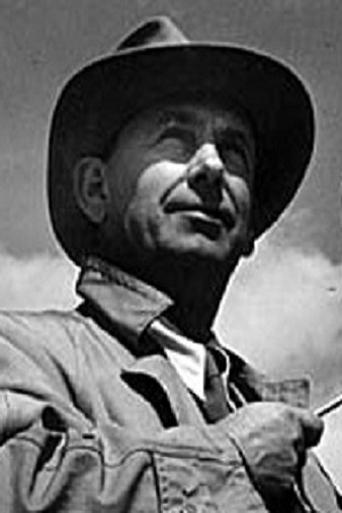
Rasmus Breistein
SuivreRéalisation · Né(e) en 1890 · Åsane, Norway
Biographie
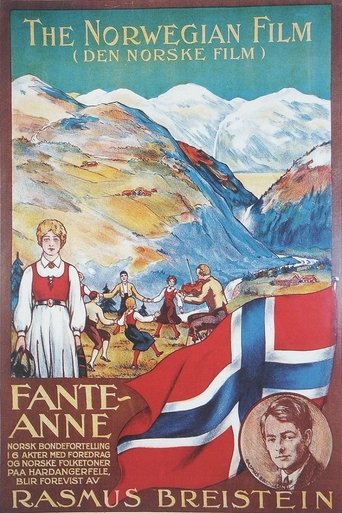
Rasmus Breistein is regarded as the silent filmmaker's most significant filmmaker. In the period referred to as the national breakthrough for Norwegian film (1920-1930), he directed five films. With these films, he challenged the Swedish film's then power position and excited both critics and the audience. Breistein was a farmer's son and learned to play fiddle in his youth. He played for dances at weddings in Western Norway. When Det Norske Teateret was established in 1913, he started as an actor at the theater. He became preoccupied with the new medium of film, after watching Peter Lykke-Seest's films he wanted to make films in a completely different way. It started with Fante-Anne. In an interview he stated "that the film was the beginning of something, to a Norwegian production of a more national character." And that was the beginning of the Norwegian great age of silent films.
Connu pour
Filmographie
 8.0
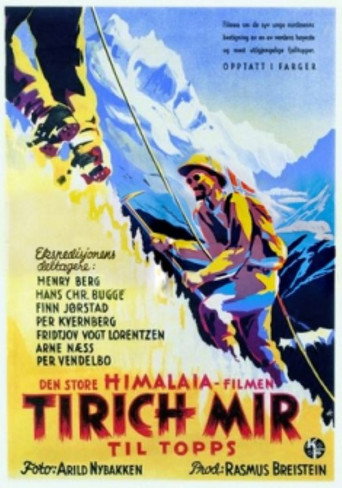
8.0Tirich Mir til topps
1952
1952 · Réalisation
- Jorden rundt på to timer8.0
Jorden rundt på to timer
1949
1949 · Réalisation
- Den nye lægen7.0
Den nye lægen
1943
1943 · Réalisation
- Trysil-Knut9.0
Trysil-Knut
1942
1942 · Réalisation
 5.7
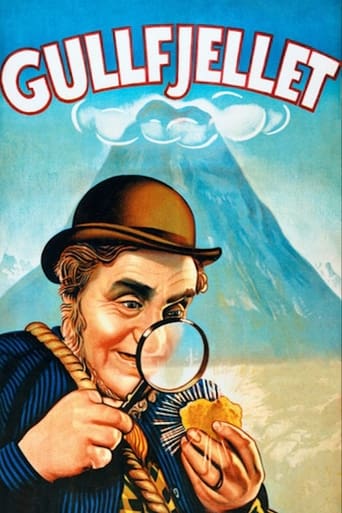
5.7Gullfjellet
1941
1941 · Réalisation
- Hu Dagmar3.3
Hu Dagmar
1939
1939 · Réalisation
 6.5
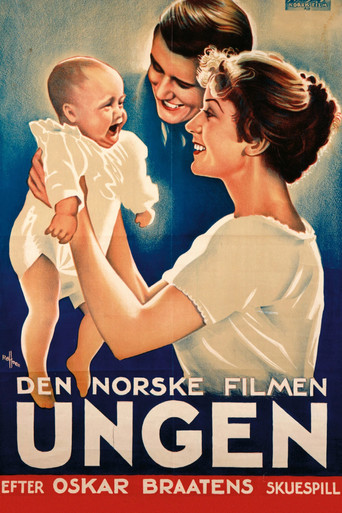
6.5Ungen
1938
1938 · Réalisation
- Liv10.0
Liv
1934
1934 · Réalisation
- Skjærgårdsflirt7.0
Skjærgårdsflirt
1932
1932 · Réalisation
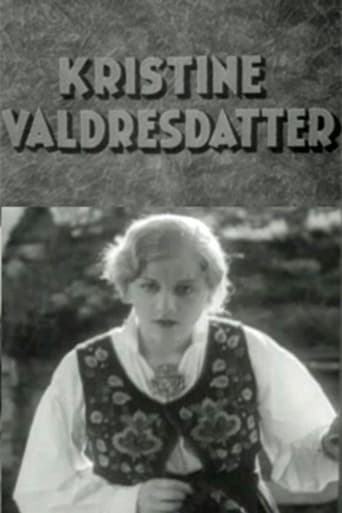 7.5
7.5Kristine Valdresdatter
1930
1930 · Réalisation
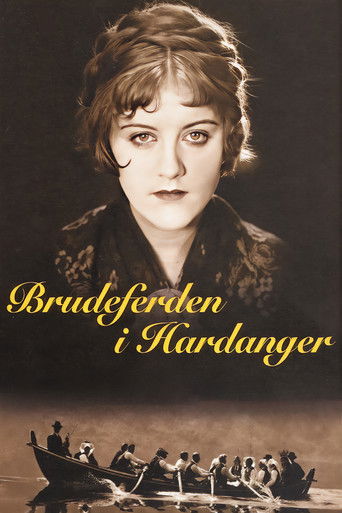 6.7
6.7Brudeferden i Hardanger
1926
1926 · Réalisation
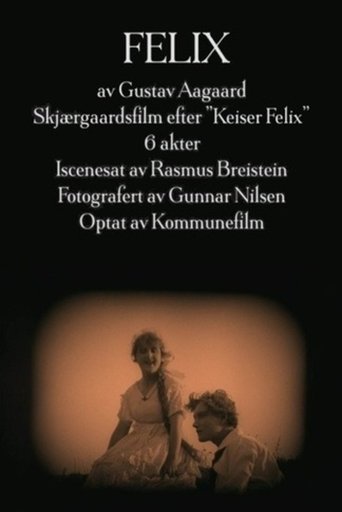 5.3
5.3Felix
1921
1921 · Réalisation
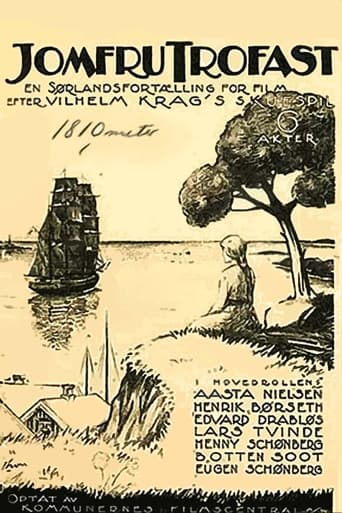 10.0
10.0Jomfru Trofast
1921
1921 · Réalisation
 6.2
6.2Fante-Anne
1920
1920 · Réalisation